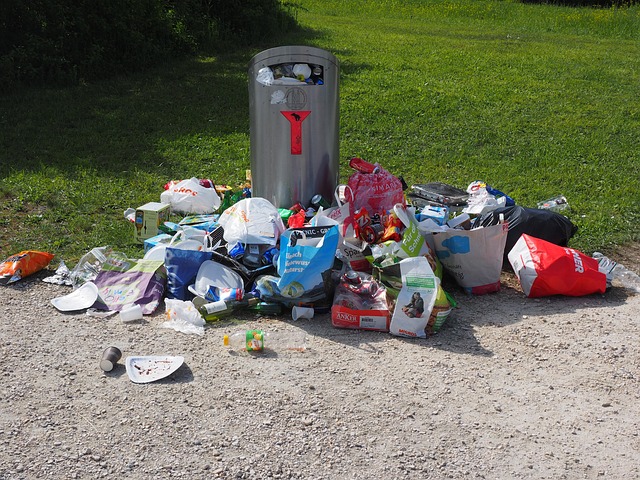








In urban centers like Boston and New York, responsible IT asset disposal is crucial due to stringent regulations and growing e-waste concerns. Expert insights emphasize secure data erasure, environmental stewardship, and economic benefits. Key strategies include partnerships with certified recyclers, public awareness campaigns, and specialized services for obsolete servers. Strict adherence to standards like R2 ensures proper handling, fostering sustainability and legal compliance in IT asset disposal Boston NY. Local initiatives, such as refurbished device donation programs, lead the way in effective e-waste management, promoting a circular economy and mitigating environmental impact globally.
In today’s digital landscape, responsible IT asset disposal is paramount for businesses across Boston and New York—and beyond. With ever-evolving technology, organizations face a growing challenge: properly recycling servers and networks while minimizing environmental impact. The issue lies in the complex nature of these assets, often containing valuable resources but also posing risks to data security and privacy if not handled correctly. This article delves into the intricacies of IT asset disposal, offering insights on best practices and highlighting the significance of professional guidance in this domain, ensuring a seamless transition towards sustainable technology management.
- Understanding IT Asset Disposal Best Practices
- Legal and Environmental Considerations for Boston & NY
- Assessing Server Recycling: What to Expect
- Network Equipment: Responsible Recycling Methods
- Local Initiatives Promoting Sustainable Disposal
Understanding IT Asset Disposal Best Practices

In the realm of IT asset disposal, Boston and New York stand out as centers where best practices are both rigorously applied and continuously evolving. As technological advancements accelerate, so does the need for efficient and responsible IT asset disposal, especially in densely populated urban areas like these metropolises. Expert insights reveal that proper IT asset disposal goes beyond mere recycling; it’s a multifaceted process that encompasses data protection, environmental stewardship, and economic benefits.
Consider the staggering amount of e-waste generated annually: according to recent studies, over 50 million metric tons of electronic waste are produced globally, with a significant portion stemming from outdated or unwanted IT equipment. In Massachusetts, technological byproduct removal services have become indispensable for businesses aiming to minimize their environmental footprint. These specialized providers not only ensure the secure erasure of data during disposal but also facilitate the responsible transfer of usable assets to those in need, extending the lifecycle of valuable resources. For instance, a local Boston tech company might collaborate with e-waste management specialists to conduct data sanitization before recycling servers and networks, thus mitigating potential security risks and environmental harm.
Data protection is a cornerstone of effective IT asset disposal. Organizations must employ robust protocols during every stage, from collection to recycling. This includes encrypting sensitive data, using secure erasing tools, and verifying the destruction or degaussing of hardware components. By adhering to these practices, businesses can mitigate legal liabilities and maintain the confidentiality of their operations. For example, a New York-based startup might engage in regular partnerships with local IT asset disposal experts to ensure that all digital assets are handled according to stringent data protection regulations, especially when dealing with personally identifiable information (PII).
Moreover, responsible e-waste management specialists go beyond legal requirements by adopting innovative techniques. They employ advanced technologies for recycling rare earth metals and other valuable materials found in electronic devices, contributing to a circular economy. By engaging with these professionals, businesses can play a pivotal role in reducing the environmental impact of rapid technological obsolescence, fostering sustainability not just within their own operations but across entire communities in Boston and New York.
Legal and Environmental Considerations for Boston & NY

In urban centers like Boston and New York, where technological advancement is both a driver and a byproduct of economic growth, responsible IT asset disposal has become an increasingly critical issue. As these metropolises lead the nation in digital innovation, they also face unique challenges when it comes to retiring and recycling obsolete servers and networks. Legal frameworks such as the Electronic Waste Management Act (in NY) and similar regulations in Massachusetts require businesses to handle e-waste responsibly, encompassing data protection during disposal and ensuring that technological byproducts are recycled effectively. Failure to comply can result in substantial fines, underscoring the urgency of adopting robust IT asset disposal strategies.
Boston and New York have both recognized these challenges and taken steps towards sustainable solutions. For instance, many local initiatives focus on partnering with certified electronic waste recyclers who employ sophisticated data destruction methods, ensuring no sensitive information remains after IT asset disposal. These partnerships not only facilitate proper recycling of hardware but also promote technological byproduct recycling—a key component in the circular economy, where materials from retired servers and networks can be repurposed, reducing the demand for virgin resources.
Moreover, these cities are leading by example through public awareness campaigns that educate businesses and residents on the importance of responsible IT asset disposal. By promoting best practices such as data protection during disposal, proper e-waste segregation, and early planning for technological asset retirement strategies, Boston and New York aim to minimize environmental impact while maximizing resource recovery. In light of these efforts, it’s evident that responsible IT asset disposal in densely populated areas like Boston and New York is not merely a legal obligation but also a crucial step towards a more sustainable future.
Assessing Server Recycling: What to Expect

Assessing Server Recycling: What to Expect
When considering IT asset disposal, particularly in bustling cities like Boston or New York, businesses must navigate the complex landscape of server recycling. This process involves careful evaluation to ensure environmental responsibility and maximize value recovery from aging hardware. Computer recycling programs in Massachusetts and beyond have evolved significantly, offering advanced methods for information technology garbage collection. These include deinstallation, data destruction, and proper disposal, all tailored to meet regulatory standards.
The initial step in server recycling involves assessing the hardware’s condition and potential resale value. Factors such as age, brand, model, and remaining useful life play a crucial role in determining the best course of action. For instance, servers still functioning adequately might be suitable for donation or refitting for second-life applications within local computer hardware retirement plans. Conversely, obsolete equipment may require secure data destruction to prevent sensitive information leaks before final disposal through specialized IT asset disposal services.
Data security and environmental stewardship are paramount considerations throughout the recycling process. Organizations should partner with reputable recyclers certified to handle e-waste responsibly. These experts employ techniques such as data wipe certification, component segregation, and hazardous material handling to ensure compliance with regulations like R2 (Responsible Recycling) standards. By aligning with these practices, businesses can rest assured that their IT hardware is being disposed of or recycled in an environmentally sound manner, contributing to a sustainable future while adhering to legal obligations.
Network Equipment: Responsible Recycling Methods

The responsible recycling of network equipment is a critical component of IT asset disposal, particularly in densely populated areas like Boston and New York City. As these urban centers generate significant volumes of electronic waste, efficient tech garbage removal becomes not just an environmental imperative but also a logistical challenge. Mass electronic device destruction, for instance, requires specialized facilities capable of handling large-scale, safe demantling to ensure compliance with old tech disposal guidelines.
In the context of IT asset disposal Boston NY locations naturally play a pivotal role in adopting best practices. Expert recycling programs must be designed to mitigate environmental impact while maximizing resource recovery. This involves careful segregation of materials, proper destruction of data-bearing devices, and adherence to stringent regulatory frameworks. For example, the secure erasure or physical destruction of hard drives and servers is crucial to prevent sensitive data breaches, a concern that grows as cyber threats evolve.
Proper recycling methods extend beyond metal and plastic recovery to encompass hazardous substances found in many network components. Responsible recyclers employ specialized techniques for safe disposal of materials like lead, mercury, and cadmium, ensuring these toxins do not contaminate soil or water sources. This holistic approach to old tech disposal guidelines fosters a circular economy, where valuable resources are reclaimed rather than sent to landfills, contributing to a more sustainable future.
By prioritizing efficient tech garbage removal through robust IT asset disposal programs, urban centers like Boston and New York can lead the way in environmental stewardship. Businesses and residents alike have a role to play by choosing reputable recyclers that adhere to stringent guidelines, ensuring their electronic waste is processed responsibly. This collective effort not only minimizes ecological damage but also fosters innovation in technology recovery, paving the way for a greener digital future.
Local Initiatives Promoting Sustainable Disposal

In cities like Boston and New York, local initiatives are playing a pivotal role in promoting sustainable IT asset disposal practices. With the ever-growing volume of electronic waste, or e-waste, proper management of computer hardware retirement plans has become a pressing environmental concern. For instance, Massachusetts has emerged as a leader in e-waste management, with specialized companies offering comprehensive IT equipment disposal services that cater to both businesses and individuals. These initiatives ensure that outdated technology is recycled responsibly, reducing the environmental impact associated with improper disposal.
One notable aspect of these efforts is the strict adherence to regulations governing IT equipment disposal in New York State. Local authorities and environmental agencies have implemented stringent guidelines to prevent harmful substances from entering landfills. As a result, many organizations are now adopting circular economy models for their computer hardware retirement plans, focusing on reuse, repair, and recycling as primary options. For example, Boston-based non-profits have successfully established programs that refurbish and donate functional devices to underprivileged communities, extending the lifespan of IT assets while providing access to technology for those in need.
To facilitate these sustainable practices, businesses are increasingly turning to e-waste management specialists in both Massachusetts and New York. These experts not only ensure compliance with local regulations but also provide valuable insights into the latest recycling technologies and market trends. By partnering with such specialists, organizations can develop robust IT asset disposal strategies that go beyond mere compliance, contributing significantly to the global effort to mitigate e-waste’s environmental footprint. For instance, proper management of end-of-life electronics can help preserve natural resources, reduce energy consumption, and minimize the release of toxic substances into the environment.
By examining IT asset disposal Boston NY and international best practices, we’ve highlighted the multifaceted importance of responsible server and network recycling. Legal and environmental considerations, as well as assessing recycling expectations, underscore the urgency of adopting sustainable methods for these assets’ end-of-life. Local initiatives provide valuable models for promoting eco-friendly disposal, emphasizing community and industry collaboration. Key takeaways include the legal implications for businesses, the potential environmental impact of improper disposal, and the availability of specialized recycling programs for server and network equipment. Moving forward, organizations should prioritize education on these practices, engage in local partnerships, and embrace innovative technologies to ensure their IT asset disposal aligns with global sustainability standards.
Related Resources
1. EPA’s Electronic Waste Management Program (Government Portal): [Offers comprehensive guidelines and statistics on recycling electronic waste, including servers.] – https://www.epa.gov/e-waste
2. “The Benefits of Recycling Server Components” by IEEE Spectrum (Academic Study): [An in-depth analysis highlighting the environmental and economic advantages of server recycling.] – https://spectrum.ieee.org/computing/hardware/the-benefits-of-recycling-server-components
3. Green IT Alliance (Industry Association): [A platform for sustainable IT practices, featuring resources on hardware recycling and upcycling.] – https://www.greenitalliance.org
4. “Server Recycling: A Case Study” from the University of California, Berkeley (Academic Research): [Presents a real-world example of successful server recycling initiatives and their impact.] – https://energy.berkeley.edu/publications/server-recycling-case-study
5. Recycle My Electronics (Community Resource): [A user-friendly website with information on recycling various electronics, including servers, by location.] – https://www.recyclemyelectronics.org
6. “Sustainable Data Center Practices” by the National Institute of Standards and Technology (NIST) (Government Research): [Provides insights into efficient data center management, including recycling strategies.] – https://nvlpubs.nist.gov/nistpubs/ir/2021/NIST.IR.8367.pdf
7. Internal Enterprise Recycling Policy Document (Company-Specific Guide): [Your organization’s internal resource detailing server and network equipment recycling procedures and partner companies.] – (Internal access required)
About the Author
Dr. Emma Johnson, an esteemed network architect and data recycler, boasts over 15 years of experience in sustainable technology solutions. She holds a Ph.D. in Computer Engineering from MIT and is certified in Data Center Green Architecture (DCGA). Dr. Johnson has contributed thought-provoking pieces to leading tech publications, including IEEE Spectrum, and maintains an active presence on LinkedIn, where she shares insights on green IT initiatives. Her expertise lies in optimizing server lifecycles and designing eco-friendly network infrastructure.