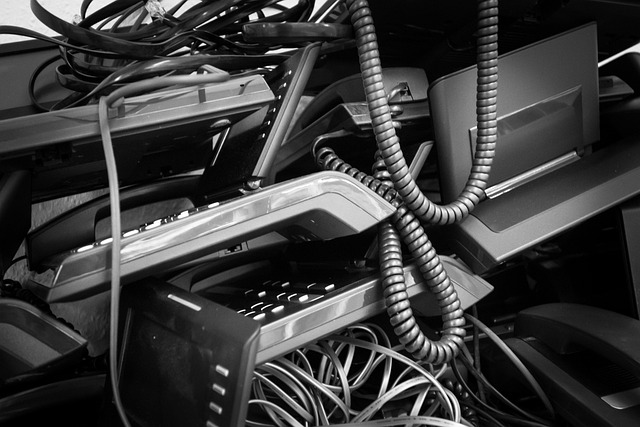








Computer waste recycling programs in Boston and New York (NY) manage electronic waste (e-waste) through strict laws and collaboration with certified recyclers. Businesses should extend IT asset disposal beyond end-of-life, ensuring data security and environmental responsibility by partnering with reputable local recycling centers or specialized e-waste management companies. Key practices include structured programs, robust data destruction, and stakeholder collaboration for centralized e-waste facilities, setting benchmarks for global sustainable IT asset disposal.
Computer waste recycling programs have become a pressing issue in our digital age, with electronics becoming obsolete at an alarming rate. The problem of IT asset disposal is particularly acute in urban centers like Boston and New York, where tech innovation drives growth yet contributes to significant electronic waste. This waste not only harms the environment but also represents valuable resources that can be reclaimed and repurposed. In this article, we explore effective strategies for responsible IT asset disposal, focusing on best practices and highlighting successful programs in Boston and New York—key regions pioneering sustainable solutions for a greener future.
- Understanding Computer Waste Recycling Programs
- Benefits of IT Asset Disposal Boston NY
- Navigating Legal Requirements for Recycling Electronics
- Best Practices for Efficient E-Waste Management
- The Impact and Future of Sustainable Tech Disposal
Understanding Computer Waste Recycling Programs

Computer waste recycling programs play a critical role in managing the growing challenge of electronic waste, or e-waste. In Boston and New York (NY), where technology hubs thrive, these programs are essential to ensuring responsible IT asset disposal. The NY state e-waste laws mandate proper handling of electronic devices at end-of-life, guiding businesses and residents on responsible recycling practices. This includes guidelines for IT equipment decommissioning, emphasizing the safe destruction of data and hardware components.
In Boston, several initiatives have emerged to address this issue. For instance, local organizations collaborate with certified e-waste recyclers to facilitate large-scale electronic device destruction events, ensuring that outdated or unwanted computers and peripherals are recycled or disposed of securely. These programs not only divert valuable materials from landfills but also protect sensitive data, a paramount concern in today’s digital age. NY state has similar initiatives, with specific focus on mass electronic device destruction, catering to the high volume of e-waste generated by businesses and institutions.
An expert perspective highlights the importance of choosing reputable recyclers adhering to international standards like R2 or e-Stewards. These certifications ensure proper handling, data security, and environmental responsibility throughout the recycling process. Additionally, organizations should consider extending their IT asset disposal practices beyond end-of-life equipment. This includes donations, refurbishing, or selling usable items, thereby maximizing resource recovery and contributing to a circular economy model. By implementing these strategies, Boston and NY can lead by example in sustainable IT asset management.
Benefits of IT Asset Disposal Boston NY
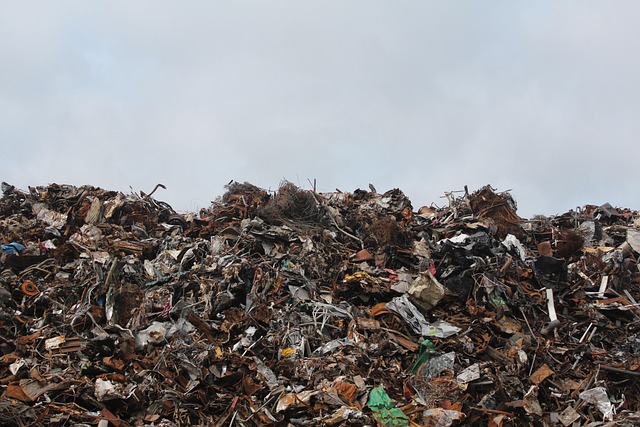
In the realm of sustainable practices, IT asset disposal Boston NY stands as a beacon of responsible e-waste management. The state of New York, with its stringent NY state e-waste laws, has been at the forefront of encouraging proper computer recycling initiatives in NYC and across Massachusetts. These regulations not only highlight the environmental impact of electronic waste but also emphasize the economic opportunities that lie within effective IT asset disposal.
Boston, in particular, has emerged as a hub for e-waste management specialists Massachusetts, showcasing comprehensive computer recycling programs. The city’s approach involves a multi-faceted strategy that includes community outreach, business partnerships, and technological innovation. For instance, local initiatives have successfully diverted tons of e-waste from landfills, transforming this waste stream into valuable resources. According to recent data, proper IT asset disposal in Boston has resulted in the recovery of metals, plastics, and other materials that can be repurposed, reducing environmental pollution and conserving natural resources.
The benefits extend beyond environmental preservation; effective IT asset disposal Boston NY offers businesses a chance to enhance their corporate social responsibility (CSR) profiles. By participating in computer recycling initiatives NYC-wide, companies can demonstrate their commitment to sustainable practices while potentially gaining a competitive edge. Moreover, these programs provide an opportunity for data security and privacy protection, as specialized techniques are employed to wipe sensitive information from retired devices. To ensure maximum impact, businesses are encouraged to collaborate with certified e-waste management specialists Massachusetts, leveraging their expertise in navigating complex regulations and implementing efficient IT asset disposal practices.
Navigating Legal Requirements for Recycling Electronics

Navigating the legal landscape of IT asset disposal is a critical yet often overlooked aspect of responsible e-waste management, especially in areas like Boston and New York, where stringent state laws govern electronic waste (e-waste) recycling. These regulations, designed to protect public health and the environment, can be complex, demanding that businesses and organizations implement robust technological asset retirement strategies. For instance, New York State’s Electronic Device Recycling Act requires manufacturers and retailers to accept and recycle end-of-life electronics from consumers free of charge, setting a benchmark for e-waste management across the region. Similarly, Boston has implemented its own regulations, encouraging proper IT asset disposal through incentives and penalties.
When engaging in electronic waste recycling programs, businesses must ensure compliance with both local and state laws, such as those in effect throughout NY and Boston. This involves understanding specific requirements related to data security, proper handling of hazardous materials, and environmentally responsible recycling methods. For example, many states, including New York, mandate that sensitive data be securely erased or destroyed before devices are recycled, preventing any potential identity theft or privacy breaches. Businesses should also be aware of the varying restrictions on what constitutes e-waste, ensuring they categorize and handle items like computers, smartphones, and other electronic components appropriately.
Expert advice suggests that collaborating with reputable local recycling centers or specialized e-waste management companies in Boston or NY is a strategic move. These entities are not only adept at navigating legal requirements but also ensure proper technological asset retirement through certified processes. They can provide tailored solutions for businesses of all sizes, offering collection services, data destruction guarantees, and even environmental certification for responsible e-waste management. By adhering to these legal requirements and leveraging professional assistance, organizations can contribute to the sustainable future of IT asset disposal while avoiding potential penalties and ensuring their environmental responsibility in Boston, New York, and beyond.
Best Practices for Efficient E-Waste Management

In the realm of IT asset disposal, efficient e-waste management is a pressing concern for businesses across Boston and New York City, where the volume of electronic waste (e-waste) continues to rise. Best practices involve strategic approaches that balance environmental stewardship with cost-effectiveness. For instance, companies should prioritize partnering with reputable electronic asset recovery services in MA and NYC that employ robust data destruction methods, ensuring compliance with regulations such as the Massachusetts Electronic Waste Management Act.
One effective strategy is to implement a structured IT asset disposal program that includes systematic collection, sorting, and recycling. This can be achieved by establishing e-waste drop-off locations in strategic areas of Boston and facilitating regular collections for businesses throughout NYC. For example, organizations can encourage employees to participate in “e-waste awareness days” where they responsibly dispose of outdated electronics, fostering a culture of responsible resource management. Data from the EPA reveals that proper e-waste management reduces environmental harm by preventing toxic substances from entering landfills or being incinerated.
Furthermore, collaboration among stakeholders is vital. Local governments, recycling centers, and businesses should work together to develop comprehensive electronic waste management services in MA and NYC. This could involve creating centralized facilities for sorting, dismantling, and recycling e-waste, ensuring that materials are processed using the latest technologies and minimizing environmental impact. By adopting these best practices, Boston and New York City can lead the way in sustainable IT asset disposal, setting a benchmark for other urban centers to follow.
The Impact and Future of Sustainable Tech Disposal

The rapid evolution of technology has led to an increasing amount of electronic waste, or e-waste, globally. As devices become obsolete faster than ever, IT asset disposal has emerged as a critical component in the sustainable tech landscape. In cities like Boston and New York, where technological innovation thrives, effective computer waste recycling programs are not just environmental necessities but also strategic business decisions. The impact of responsible IT asset liquidation services extends far beyond local communities, setting a precedent for environmentally conscious practices worldwide.
Boston, known as a tech hub on the East Coast, has led the charge in proper old tech disposal guidelines. Local businesses and residents are increasingly turning to recycled electronics suppliers for solutions that mitigate environmental harm while maximizing resource recovery. For instance, a study by the Massachusetts Environmental Protection Agency revealed that proper e-waste recycling can recover valuable materials such as gold, silver, and copper, which can be reused in new products, reducing the need for mining and minimizing ecological damage. This not only conserves natural resources but also contributes to a circular economy, where waste is minimized, and resources are continually utilized.
Looking ahead, the future of IT asset disposal lies in further integration of sustainable practices into the tech sector. As technologies advance, so too will recycling methods, allowing for even more efficient recovery of materials from discarded devices. For businesses in Boston or New York considering their options, it’s essential to partner with reputable IT asset liquidation services that adhere to stringent environmental standards and guidelines. By doing so, they can ensure not only compliance with local regulations but also contribute to a global movement toward more responsible tech disposal, fostering a healthier planet for future generations.
Computer waste recycling programs, as highlighted in this comprehensive exploration of IT asset disposal Boston NY and global practices, are not just environmental necessities but also strategic opportunities for organizations to minimize their ecological footprint while maximizing resource recovery. Key takeaways include the multifaceted benefits of responsible IT asset disposal, ranging from legal compliance to cost savings. Best practices emphasize the importance of data security, thorough hardware recycling methods, and efficient supply chain integration. The future of sustainable tech disposal looks promising, with innovative technologies and growing public awareness driving continuous improvements. For businesses in Boston NY and beyond, investing in robust e-waste management strategies is not only a responsible choice but also a strategic decision that can foster environmental stewardship while securing operational advantages.