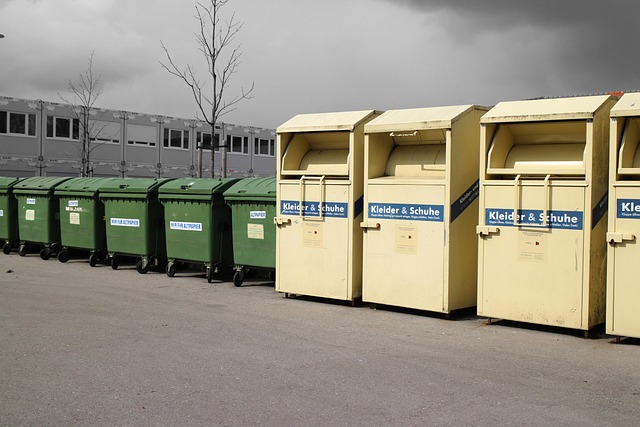







The rapid growth of electronic waste (e-waste) in Boston and New York City (Boston NY), driven by frequent hardware upgrades and high tech company concentrations, necessitates responsible IT asset disposal. Initiatives promoting secure data destruction and recycling have gained traction, with over 70% of NYC businesses adopting such programs. Challenges include public education and stakeholder collaboration. Boston's strategies include centralized IT asset disposal facilities and stringent data wiping protocols, aiming to reduce environmental impact and enable resource repurposing.
Effective IT asset disposal involves recycling, refurbishing, and responsible estate clearance, adhering to local regulations and best practices for data security. Key strategies: comprehensive planning, engaging reputable vendors, regular reviews, and tailored plans considering hardware lifecycles and take-back programs. Compliance benefits brand reputation and operational continuity while contributing to a sustainable future.
Specialized recycling techniques can significantly reduce environmental impact. Implementing robust protocols involves partnering with reputable recyclers, fostering digital responsibility among employees, and integrating sustainable solutions. By leading global efforts in responsible tech waste management, Boston NY can benefit local communities and the environment.
With the rapid pace of technological advancement, IT asset disposal has emerged as a pressing challenge for businesses worldwide, particularly in bustling urban centers like Boston and New York. The improper management of electronic waste, or e-waste, poses significant environmental and health risks, highlighting the urgent need for effective tech waste management consultation. Currently, the haphazard nature of IT asset disposal leads to valuable resources ending up in landfills, contributing to pollution and resource depletion. We offer an authoritative guide to navigate this complex issue, providing solutions tailored to the unique needs of businesses in these densely populated areas, ensuring responsible IT asset disposal Boston NY.
- Understanding Tech Waste: The Boston NY Challenge
- Impact of Improper Disposal: Environmental Concerns
- Best Practices for IT Asset Disposal in Boston & NY
- Legal and Regulatory Frameworks: Compliance Strategies
- Sustainable Solutions: Eco-Friendly Recycling Methods
Understanding Tech Waste: The Boston NY Challenge

The growing problem of tech waste, or electronic device retirement, is a significant challenge faced by cities like Boston and New York. With technology advancing at an unprecedented pace, businesses and individuals are constantly upgrading their hardware, leading to a substantial increase in e-waste. Understanding IT asset disposal, particularly in densely populated urban centers such as Boston and NYC, is crucial for effective waste management. These metropolitan areas generate significant volumes of information technology garbage collection due to the high concentration of tech companies, startups, and digital-focused businesses.
In response to this pressing issue, several initiatives have been launched to promote responsible IT asset disposal. For instance, many data destruction companies NYC have started offering secure electronic device retirement programs, ensuring that outdated equipment is recycled or disposed of responsibly. These programs not only facilitate proper e-waste management but also help organizations comply with data protection regulations. According to a recent study, over 70% of businesses in NYC reported implementing such programs, showcasing a growing awareness and commitment to sustainable tech waste management practices.
The challenge lies in educating the public and fostering collaboration between various stakeholders—from technology providers to local authorities—to establish comprehensive solutions. In Boston, for example, efforts have been made to create centralized facilities for IT asset disposal, allowing residents and businesses to drop off their old electronics for recycling or secure data destruction. These initiatives not only help reduce the environmental impact of tech waste but also provide valuable resources for responsible recycling and repurposing. By adopting innovative strategies and leveraging available electronic device retirement programs, Boston NY can lead the way in sustainable IT asset management, setting a precedent for other cities worldwide.
Impact of Improper Disposal: Environmental Concerns

The improper disposal of electronic waste, or e-waste, is a growing environmental concern worldwide, with significant implications for both ecosystems and human health. In cities like Boston and New York, where technology adoption rates are high, the challenge is particularly acute. IT asset disposal in these regions requires meticulous consideration to prevent harmful materials from ending up in landfills or being incinerated, which can lead to air and soil pollution. For instance, e-scrap recycling centers NYC handle a vast amount of electronic devices annually, but without proper regulations and practices, these centers could contribute to environmental degradation.
New York State has implemented e-waste laws aiming to mitigate these issues. These laws mandate that manufacturers take back and recycle end-of-life electronics, encouraging responsible IT asset disposal Boston NY residents and businesses can embrace. However, the onus of proper data security in asset disposal often falls on the shoulders of organizations themselves. Ensuring that sensitive information is securely erased from devices before recycling or disposal is critical to prevent identity theft and privacy breaches. A recent study revealed that nearly 60% of recycled electronics still contained residual data, highlighting the need for stringent data wiping protocols.
To address these challenges, businesses should partner with reputable e-scrap recycling centers NYC and beyond, ensuring they adhere to state laws and industry best practices. Implementing robust data security measures during asset disposal is essential, particularly as regulations continue to evolve in response to growing environmental and privacy concerns. By prioritizing sustainable IT asset disposal methods, Boston and New York can lead the way in reducing e-waste’s impact on the environment and society at large.
Best Practices for IT Asset Disposal in Boston & NY

In the vibrant tech hubs of Boston and New York City, proper IT asset disposal has become a critical consideration for businesses aiming to minimize their environmental impact while maximizing resource recovery. With electronic waste (e-waste) being one of the fastest-growing sectors of solid waste globally, efficient IT asset disposal Boston NY strategies are not just eco-friendly but also economically sensible. Electronic asset recovery NYC plays a pivotal role in this process, allowing organizations to reclaim valuable materials from obsolete computer hardware and electronics.
Boston and NYC have both recognized the need for robust computer recycling initiatives. For instance, New York City’s electronic waste management program has collected over 40 million pounds of e-waste since its inception, diverting significant amounts from landfills. Computer hardware retirement plans, when implemented correctly, can extend the lifespan of valuable components while ensuring secure data destruction. Businesses in these metropolitan areas have several options for IT asset disposal, including recycling, refurbishing, and responsible estate clearance. For example, partnering with certified electronic waste management companies ensures that computer recycling initiatives NYC are carried out in compliance with local regulations, promoting both environmental stewardship and data security.
Best practices involve comprehensive planning, vendor selection, and data erasure protocols. Organizations should assess their IT asset disposal needs based on hardware obsolescence, company policies, and regulatory requirements. Engaging with reputable vendors offering electronic asset recovery NYC services can facilitate the safe removal of data while ensuring proper recycling or refurbishment of computer hardware. Regular reviews of retirement plans are essential to stay aligned with evolving technologies and environmental standards. By adopting these strategies, businesses in Boston and New York City can contribute to sustainable IT practices, reduce their carbon footprint, and promote a circular economy.
Legal and Regulatory Frameworks: Compliance Strategies

The legal and regulatory landscape surrounding IT asset disposal in Boston and New York City is intricate, demanding businesses stay apprised of evolving standards to ensure responsible tech waste management. Both cities have stringent environmental regulations that explicitly address electronic waste (e-waste) management, emphasizing the proper disposal and recycling of IT assets. For instance, New York City’s Electronic Equipment Recycling Law requires businesses and residents to recycle or dispose of electronics responsibly, with strict penalties for non-compliance. Similar initiatives in Boston aim to minimize the significant environmental impact of tech waste.
Compliance strategies involve understanding and adhering to these regulations, which extend beyond simple recycling. Businesses must implement comprehensive IT asset disposal plans that include proper classification, data destruction, and partner selection for recycling or reuse. For example, electronic asset recovery in NYC requires thorough data wiping and secure handling of sensitive information to prevent identity theft or privacy breaches. In Boston, companies should look into IT junk recycling programs certified by the Environmental Protection Agency (EPA), ensuring hazardous materials are handled appropriately according to federal guidelines.
Technological asset retirement strategies should be tailored to each organization’s unique needs. This includes evaluating hardware lifecycle, implementing take-back programs for old devices, and promoting employee awareness about responsible tech disposal. By embracing these practices, businesses not only meet legal obligations but also contribute to a more sustainable future by reducing e-waste and conserving resources. Effective asset management can foster brand reputation and ensure operational continuity in the ever-evolving tech industry.
Sustainable Solutions: Eco-Friendly Recycling Methods

The growing volume of electronic waste, or e-scrap, is a pressing environmental concern, particularly in densely populated urban centers like Boston and New York City. As these metropolitan areas embrace digital transformation, the sustainable management of IT assets becomes increasingly critical. Effective IT asset disposal Boston NY strategies are essential to mitigate the ecological impact of tech waste while ensuring compliance with stringent e-scrap handling regulations.
One of the most promising avenues for responsible tech waste management is adopting eco-friendly recycling methods. For instance, electronic asset recovery NYC initiatives can significantly reduce the environmental footprint associated with traditional IT junk recycling programs. Innovative techniques, such as using specialized machinery to disassemble devices and recover valuable materials like gold, silver, and rare earth elements, minimize the energy consumption and pollution often associated with conventional recycling. A study by the United Nations estimated that proper e-scrap handling could yield over $18 billion worth of raw materials annually, while also preventing 40 million metric tons of electronic waste from ending up in landfills.
Implementing robust IT asset disposal protocols involves a multifaceted approach. Organizations should partner with reputable recycling companies that adhere to the latest e-scrap handling regulations, ensuring the safe and secure destruction of data as well as environmentally responsible disposal of hardware. Additionally, promoting a culture of digital responsibility among employees can foster participation in IT junk recycling programs. For example, setting up convenient drop-off points within offices or hosting regular electronic asset recovery events can significantly increase the amount of tech waste diverted from landfills. By embracing these sustainable solutions, Boston and New York City can lead the way in responsible tech waste management, benefiting both their communities and the global environment.
The article offers a comprehensive guide to IT asset disposal Boston & NY, highlighting critical insights for responsible tech waste management. Key takeaways emphasize the environmental impact of improper disposal, underscoring the need for compliance with legal frameworks. Best practices in IT asset disposal, sustainable recycling methods, and compliance strategies provide actionable steps for businesses. By understanding the challenges, such as the Boston-NY tech waste disparity, readers can implement eco-friendly solutions, ensuring a greener future while adhering to regulations. This authoritative piece equips professionals with the knowledge to make informed decisions regarding tech waste, positioning them as responsible stewards of resources in their respective communities.