
IT asset disposal Boston NY is crucial for NYC businesses to navigate strict regulations, protect data, and manage growing e-waste. Key steps include classification, secure data destruction (e.g., degaussing), partnership with reputable vendors, and advance planning. Compliance enhances corporate responsibility, prevents fines, and supports environmental sustainability by proper recycling methods.
With the rapid evolution of technology, proper computer equipment disposal has become a pressing issue for businesses across NYC and beyond. As organizations upgrade their IT infrastructure, the responsible removal of old hardware becomes a complex task, laden with environmental and security considerations. In this landscape, experts in IT asset disposal Boston NY play a vital role, offering specialized services that ensure data protection, maximize resource recovery, and minimize environmental impact. This article delves into the critical aspects of computer equipment disposal, highlighting the expertise needed to navigate this intricate process efficiently and securely.
- Understanding IT Asset Disposal Regulations in NYC
- The Role of Experts in Secure Computer Equipment Removal
- Efficient Process: From Assessment to Data Destruction
- Eco-Friendly Options for Responsible E-Waste Management
Understanding IT Asset Disposal Regulations in NYC

Navigating IT Asset Disposal Regulations in NYC: An Essential Guide for Businesses
In the dynamic landscape of information technology, proper disposal of IT assets is not merely a best practice but a legal imperative. New York City, with its bustling tech scene, has specific regulations governing how businesses handle electronic waste, including computer equipment and related components. Understanding these regulations is crucial for organizations looking to manage their IT asset liquidation services Boston-style while adhering to stringent local laws. The primary focus should be on ensuring data protection during disposal, as it not only safeguards sensitive business information but also complies with state and federal guidelines.
One key aspect of IT asset disposal in NYC involves proper classification of equipment based on its potential for reuse or recycling. Businesses must categorize assets like computers, servers, and peripherals as either reusable, recyclable, or electronic waste (e-waste). Reusable items can often be sold or donated, while recyclable materials include certain plastics, metals, and glass from electronics. E-waste, the fastest-growing segment of municipal solid waste, requires specialized handling due to hazardous substances like lead, mercury, and cadmium. For instance, a recent study by the U.S. Environmental Protection Agency (EPA) revealed that proper IT asset disposal can significantly reduce e-waste in landfills, underscoring the importance of efficient liquidation services.
Data protection during disposal is another critical component, as it involves securing and destroying sensitive data on devices before they leave the organization's possession. This ensures no trace of confidential information falls into unauthorized hands. Best practices include overwriting hard drives with specialized software or degaussing magnetic media. Professional IT asset disposal experts in NYC offer such services, employing advanced techniques to guarantee data security. By partnering with reputable vendors who prioritize both environmental responsibility and robust data destruction protocols, businesses can ensure they're not only complying with regulations but also contributing to the responsible management of information technology garbage collection on a local scale.
The Role of Experts in Secure Computer Equipment Removal

The growing e-waste problem in densely populated metropolitan areas like New York City necessitates expert intervention in IT asset disposal Boston NY. As one of the nation's largest tech hubs, NYC faces unique challenges when it comes to secure computer equipment removal. The role of professionals in this domain is pivotal, ensuring that sensitive data remains protected and environmental regulations are adhered to during the disposal process. These experts offer specialized knowledge and tailored solutions for businesses across various sectors.
Computer equipment disposal regulations NY are stringent, designed to safeguard both consumers and the environment. Secure IT disposal New York requires adherence to these rules, which often involve proper recycling, data destruction, and documentation. For instance, a recent study by the Environmental Protection Agency (EPA) revealed that only 25% of electronic waste is recycled annually in the US, highlighting the need for responsible asset retirement solutions metropolitan area. Experts in this field play a crucial role in closing this gap by providing efficient and compliant IT equipment disposal services. They employ advanced technologies to securely erase data from hard drives, ensuring no remnants of confidential information remain.
When businesses opt for professional IT asset disposal services, they benefit from a comprehensive approach that includes assessment, collection, recycling, and proper documentation. This not only minimizes legal risks but also contributes to environmental sustainability. For example, a Fortune 500 company in NYC recently partnered with an industry leader in IT equipment disposal regulations NY to facilitate the retirement of their legacy hardware. The expert team conducted a thorough audit, ensuring all data was securely wiped before recycling, and provided detailed reports on the process's impact on reducing e-waste. This collaborative effort exemplifies how businesses can responsibly navigate asset disposal while adhering to New York's stringent environmental standards.
Efficient Process: From Assessment to Data Destruction

The efficient process of IT asset disposal in NYC is a critical aspect of responsible electronic device retirement, ensuring data security and environmental sustainability. It involves a multi-step approach, from initial assessment to secure data destruction, that requires expertise and adherence to regulations. Computer recycling programs Massachusetts and old tech disposal guidelines are becoming increasingly stringent, reflecting the growing importance of proper e-waste management.
Experts in IT asset disposal Boston NY employ meticulous methods to assess the condition of each device, determining its potential for reuse or recycling. This includes evaluating hardware, software, and data integrity. For instance, a company specializing in this field might use specialized tools to securely wipe data from hard drives, ensuring no sensitive information remains. Once assessed, devices are categorized accordingly—reusable, salvageable, or suitable only for responsible disposal.
Data destruction is a paramount concern, especially with the increasing risk of data breaches and privacy violations. Reputable disposal experts employ advanced techniques such as degaussing, shredding, and physical destruction to ensure no trace of sensitive information can be recovered. Computer recycling programs Massachusetts often collaborate with these specialists to facilitate secure end-of-life management for electronic assets, promoting a circular economy while safeguarding personal and corporate data.
Practical advice for businesses includes regular audits of IT equipment and planning for disposals well in advance. Engaging with specialized recycling programs or disposal experts can streamline the process, ensuring compliance with local regulations and best practices. By following these guidelines, organizations can contribute to environmental stewardship while maintaining the highest standards of data security.
Eco-Friendly Options for Responsible E-Waste Management
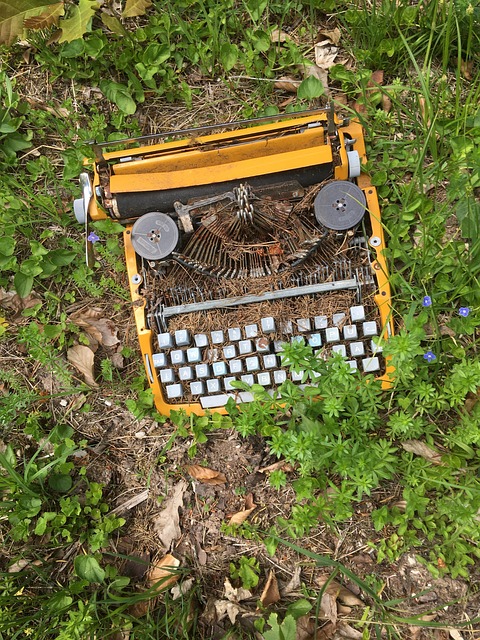
In the fast-paced digital landscape of New York City, efficient and eco-friendly IT asset disposal Boston NY is more crucial than ever. With an estimated 50 tons of e-waste generated daily in the US, responsible management of electronic waste, or e-waste, is not just a sustainability goal but a pressing need. The city's bustling tech sector generates significant volumes of obsolete equipment, making expert IT asset disposal Boston NY services indispensable. Disposal methods that prioritize environmental protection and data security are becoming industry standards, ensuring that sensitive information remains secure while minimizing electronic waste.
One of the primary challenges in e-waste management is ensuring that data is securely erased from devices before they're recycled or reused. Professional asset disposal consulting firms employ specialized software and hardware destruction techniques to achieve this. For instance, data shredding services can physically destroy hard drives and other storage media, rendering data recovery impossible. Similarly, e-waste management Boston practices involve proper recycling methods, such as separating hazardous materials like lead and mercury from non-hazardous components, ensuring that equipment is disposed of or repurposed responsibly.
The benefits of eco-friendly IT asset disposal Boston NY extend beyond environmental protection. Businesses can enhance their public image by demonstrating commitment to sustainable practices. Furthermore, adhering to local and federal regulations regarding e-waste management can shield organizations from potential fines and legal issues. By prioritizing data security in asset disposal, companies also safeguard themselves against data breaches and privacy violations. For instance, a study by the EPA found that proper e-waste recycling can recover valuable materials worth billions of dollars annually, underscoring the economic benefits of responsible IT asset disposal practices.
In conclusion, this article has comprehensively explored the critical aspects of IT asset disposal, offering valuable insights into navigating the complex landscape in NYC. By delving into regulatory requirements, the indispensable role of experts in secure computer equipment removal, efficient assessment-to-data destruction processes, and eco-friendly e-waste management options, readers gain a profound understanding of best practices for responsible IT asset disposal Boston NY. The key takeaways emphasize the importance of adhering to local regulations, leveraging expert knowledge for secure data protection, optimizing processes for efficiency, and embracing sustainable practices in managing electronic waste. These insights empower businesses and organizations to make informed decisions when disposing of computer equipment, ensuring compliance, data security, environmental stewardship, and maximizing resource recovery.
In 2026, New York City's IT asset disposal regulations remain as stringent as ever, with a focus on enhanced data security and environmental stewardship. The rise of cloud computing and the Internet of Things (IoT) has increased the volume and complexity of electronic waste. Experts in IT asset disposal Boston NY are now leveraging advanced technologies like blockchain for secure data destruction and tracking, ensuring transparency and accountability. Additionally, the integration of artificial intelligence (AI) helps in predictive maintenance and efficient recycling processes, further reducing the environmental impact. This evolution necessitates continuous education and adaptation for businesses to stay compliant and responsible. New York IT Asset Disposal: Regulations, Security & Strategies