







IT asset disposal in Boston and New York City is legally mandated to protect the environment and promote sustainable recycling. Strict regulations like New York State Electronic Equipment Recycling Act require responsible recycling through certified specialists. Specialized companies offer direct pickup services for efficient tech waste management, while structured retirement plans ensure data security and adherence to environmental laws. Initiatives for secure data erasure and drop-off points further facilitate responsible IT asset disposal in these cities.
In today’s digital age, responsible IT asset disposal is crucial for both businesses and individuals. With strict regulations in place, such as those governing IT asset disposal in Boston and New York, proper recycling of computer parts is more important than ever. This article explores convenient collection methods, the environmental benefits of eco-friendly technology recycling, and local initiatives to ensure compliance with legal guidelines in IT asset disposal across Boston and NY.
- Understanding IT Asset Disposal Responsibilities
- Boston and NY: Legal Guidelines for Recycling
- Convenient Collection Methods for Computer Parts
- Benefits of Eco-Friendly Technology Recycling
- Local Initiatives for Computer Part Disposal
Understanding IT Asset Disposal Responsibilities

Understanding IT Asset Disposal Responsibilities is paramount for businesses in Boston and New York City looking to navigate the complex landscape of electronic waste management. With strict regulations governing the disposal of IT assets, such as computers, servers, and mobile devices, companies must prioritize responsible recycling practices to mitigate environmental impact and ensure compliance.
In both cities, there are numerous recycled electronics suppliers offering secure IT asset disposal services. Computer recycling initiatives in NYC, for instance, have gained significant traction, promoting sustainable practices and efficient mass electronic device destruction. Businesses should explore these options to conveniently recycle their old computer parts while adhering to local environmental protection standards.
Boston and NY: Legal Guidelines for Recycling
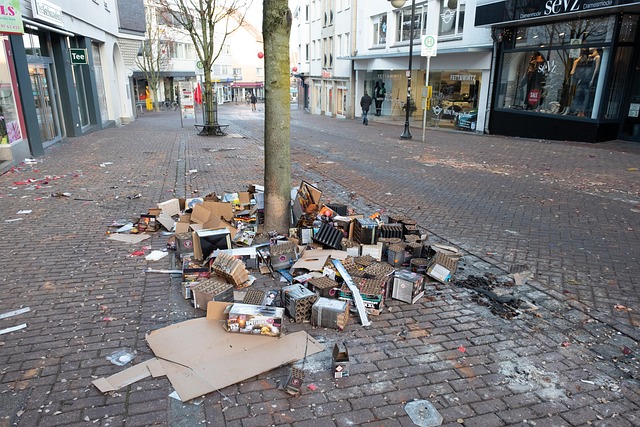
In Boston and New York, proper IT asset disposal is not just an environmental responsibility but also a legal requirement. Both states have established guidelines for the responsible recycling of electronic waste, or e-waste, to mitigate the potential harm caused by improper computer hardware destruction MA. Businesses and individuals must adhere to these regulations when disposing of outdated or broken technology to ensure compliance and promote sustainable technological byproduct recycling.
The New York State Electronic Equipment Recycling Act mandates that certain types of electronic devices be recycled or disposed of through certified e-waste management specialists Massachusetts, preventing them from ending up in landfills. Similarly, Boston has its own set of regulations, encouraging the responsible management of computer hardware and promoting a circular economy for technological resources. Proper IT asset disposal not only reduces environmental impact but also recovers valuable materials, contributing to a more sustainable future for both cities and the broader region.
Convenient Collection Methods for Computer Parts
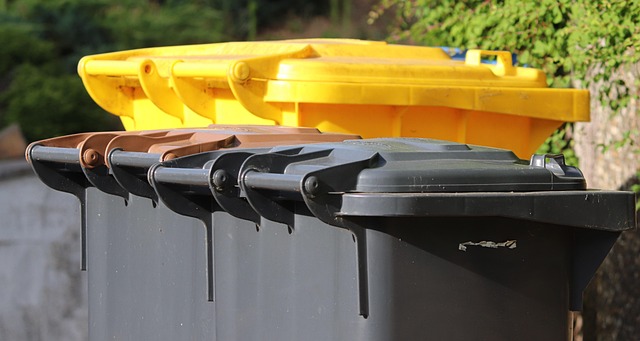
In today’s digital age, recycling computer parts has become more accessible than ever, offering convenient collection methods for both individuals and businesses in Boston, NY, and beyond. One of the simplest ways to facilitate this process is through direct pickup services provided by specialized IT asset disposal companies in MA. These professionals offer efficient solutions for tech-related waste management, ensuring that old computers, peripherals, and even larger hardware are handled with care and environmental responsibility. By partnering with such experts, businesses can streamline their electronic waste management services MA, contributing to a greener future.
Additionally, technological asset retirement strategies involve implementing structured computer hardware retirement plans. This involves evaluating the lifespan of equipment, proper data destruction, and responsible recycling or refurbishing. With careful planning, organizations can ensure that their IT assets are retired seamlessly while adhering to environmental regulations. Such strategies not only benefit the planet but also provide an opportunity to gain insights into the latest technological advancements, fostering a sustainable and innovative culture within the organization.
Benefits of Eco-Friendly Technology Recycling

The benefits of eco-friendly technology recycling extend far beyond just reducing waste. In regions like Boston and New York City, where IT asset disposal is a critical consideration, responsible computer recycling programs in Massachusetts and similar initiatives in NYC play a pivotal role in minimizing environmental impact. By participating in these programs, businesses and individuals not only divert valuable components from landfills but also contribute to the conservation of natural resources.
Moreover, data security in asset disposal is a significant advantage of eco-friendly recycling. Proper IT asset disposal ensures that sensitive information stored on electronic devices remains protected, addressing a growing concern in an era where data breaches can have severe consequences. Computer recycling initiatives in these major urban centers not only foster sustainability but also maintain the integrity and confidentiality of digital assets.
Local Initiatives for Computer Part Disposal

Many cities are recognizing the importance of proper computer part disposal, and initiatives are popping up across the country, including IT asset disposal Boston NY services. These local programs aim to facilitate the recycling process for both businesses and individuals who want to get rid of their old or unused technology. The first step in convenient IT junk recycling is ensuring that sensitive data is erased securely. New York, with its stringent privacy laws, offers various options for secure data erasure to protect personal information.
Local governments and non-profit organizations often collaborate to provide IT equipment decommissioning guidelines and drop-off points for electronics. These initiatives not only help in reducing electronic waste but also ensure that valuable materials from old computers can be reused or recycled responsibly. By participating in these programs, residents and businesses contribute to a greener future while keeping their data secure.
Recyling computer parts is not only an eco-friendly practice but also a responsible step towards managing IT asset disposal in Boston and New York. By understanding local legal guidelines and leveraging convenient collection methods, businesses and individuals can contribute to the sustainable management of electronic waste. The benefits extend beyond environmental preservation, as local initiatives streamline the process while fostering a culture of green technology. Embracing these practices is crucial for a more responsible and sustainable future, ensuring that IT asset disposal in Boston and NY remains legal, efficient, and beneficial to the planet.