
In today's digital era, responsible IT asset disposal is crucial for Boston and New York companies to minimize electronic waste and environmental impact. Key aspects include strategic planning, data security, and partnerships with reputable recycling centers like those in Massachusetts and New York. Strict local regulations, such as Massachusetts' guidelines, ensure compliance while promoting sustainable practices. Effective IT asset disposal involves evaluating hardware for reuse or recycling, secure data destruction, and efficient asset retrieval, balancing environmental stewardship with data protection. Collaborative efforts between businesses, governments, and educational institutions are vital to reduce the digital footprint of urban centers like Boston and New York.
In today's digital landscape, efficient IT asset disposal is not just an environmental imperative but a strategic necessity for organizations across Boston and New York. The growing complexity of hardware recycling, especially with ever-evolving server technology, presents significant challenges. Many businesses struggle with navigating the process, ensuring secure data destruction, and maximizing financial return. This article offers a comprehensive guide to tackling this intricate issue head-on, highlighting best practices tailored to the unique needs of these metropolitan hubs. We'll explore how responsible IT asset disposal can be seamlessly integrated into your operations, fostering sustainability while unlocking valuable opportunities for recovery and reuse.
- Understanding IT Asset Disposal Best Practices
- The Rationale for Eco-Friendly Server Recycling
- Evaluating Boston NY Servers for Reuse & Recycle
- Secure Data Destruction Methods for Networks
- Legal and Compliance Aspects of IT Recycling
- Promoting Sustainable Tech Disposal in Communities
Understanding IT Asset Disposal Best Practices

In today's digital age, responsible IT asset disposal has become an integral part of corporate responsibility for Boston and New York companies. As technology advances rapidly, so does the need for efficient and eco-friendly electronic asset recovery. When businesses in NYC or Massachusetts look to upgrade their hardware, they must navigate the complex landscape of IT asset disposal best practices. This process extends far beyond simply recycling servers and networks; it involves strategic planning, data security, and environmental stewardship.
For instance, e-scrap recycling centers in NYC play a pivotal role in ensuring that electronic waste doesn't end up in landfills, where it can release toxic substances into the environment. Similarly, computer recycling programs in Massachusetts not only recover valuable materials like gold, silver, and copper but also help to conserve natural resources by reducing the need for mining. Companies should explore partnerships with reputable e-scrap recycling centers to ensure that their IT assets are disposed of responsibly. Data security is another critical aspect; sensitive information must be wiped clean from hard drives and other storage devices before they are recycled or reused.
Best practices dictate a structured approach, starting with asset inventory management and ending with final disposition. Organizations should maintain detailed records of all hardware and software components, ensuring that each item is tracked throughout its lifecycle. This practice not only facilitates efficient IT asset disposal but also aids in identifying potential areas for cost savings or resource optimization. Additionally, staying informed about local regulations regarding e-waste disposal is crucial; Massachusetts, for example, has specific guidelines for businesses dealing with electronic waste. By adhering to these best practices, companies can ensure that their IT asset disposal efforts align with environmental and legal standards, contributing to a sustainable future in Boston, New York, and beyond.
The Rationale for Eco-Friendly Server Recycling
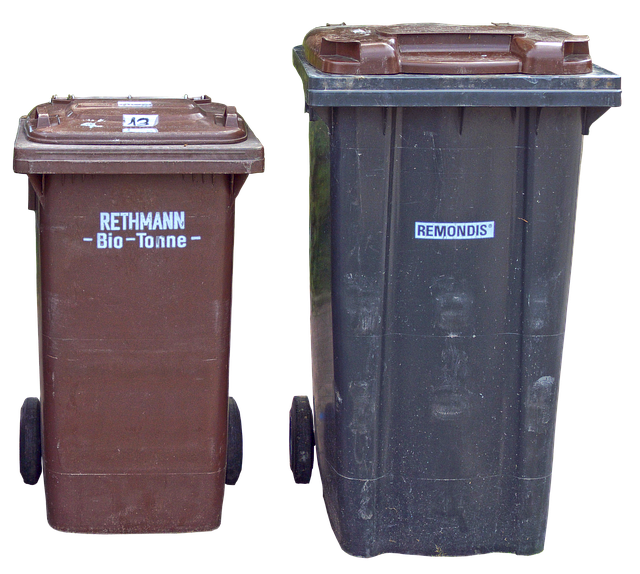
The growing awareness of environmental sustainability has prompted organizations to reassess their practices, including IT asset disposal methods. In regions like Boston NY, where technological advancements are rapid, efficient, and eco-conscious IT equipment disposal has become a critical focus. The traditional method of simply discarding servers and computer hardware is no longer tenable due to the significant environmental impact and potential legal repercussions, especially with strict regulations like those in New York for IT junk recycling programs.
Server recycling offers a responsible solution to this complex issue. It involves deconstructing and processing end-of-life IT equipment while minimizing waste and maximizing resource recovery. This process not only reduces the carbon footprint associated with manufacturing new hardware but also helps prevent the release of toxic substances from improper disposal. For instance, computers and servers contain hazardous materials like lead, mercury, and cadmium that can contaminate soil and groundwater if not handled correctly. By participating in IT equipment disposal programs, businesses contribute to a circular economy, where resources are reused and repurposed efficiently.
In Massachusetts, for example, many companies are adopting comprehensive IT asset disposal strategies, including computer hardware destruction services, to ensure compliance with regulations and promote environmental stewardship. These initiatives extend beyond simple recycling; they involve data security measures to protect sensitive information and proper physical destruction of hardware components. This dual focus on data protection and material recycling ensures that businesses not only meet legal requirements but also maintain the highest standards of corporate responsibility. By embracing eco-friendly server recycling, organizations can reduce their environmental footprint while supporting a more sustainable future for IT infrastructure in Boston NY and beyond.
Evaluating Boston NY Servers for Reuse & Recycle

In the realm of sustainable technology management, evaluating IT assets for reuse and recycle is a critical step, especially when considering server disposal in Boston, NY, or any urban center. With a growing digital landscape, organizations must responsibly navigate the process of retired server and network equipment removal to minimize environmental impact while ensuring data security. The challenge lies in balancing secure IT disposal New York with efficient hardware destruction MA, particularly for outdated yet potentially valuable components.
Boston, NY, and surrounding areas present unique opportunities for responsible IT asset disposal. Local regulations and a thriving tech community encourage innovative solutions. For instance, many organizations opt for refurbished servers, reducing the need for new hardware production and its associated environmental costs. Reputable IT recycling centers in MA offer secure data sanitization methods, including degaussing and physical destruction, to ensure sensitive information remains protected during the recycling process. This approach not only minimizes e-waste but also contributes to a circular economy, where valuable resources can be reclaimed.
When assessing server reuse and recycle options, it's essential to consider the age and condition of hardware. Modern servers with upgradable components may find new life in different roles within an organization or through donation programs targeting educational institutions. However, for legacy systems, secure data destruction becomes paramount. Employing specialized computer hardware destruction MA services ensures that no trace of confidential data remains, adhering to industry standards like NAID (National Association for Information Destruction). This meticulous process involves shredding hard drives and other storage devices to meet stringent safety requirements, providing peace of mind to businesses across the region.
Ultimately, responsible IT asset disposal in Boston, NY, requires a strategic approach. By evaluating hardware for reuse or recycle, organizations can mitigate environmental impact while adhering to data security protocols. Secure IT disposal New York should be a cornerstone of any tech-driven company's sustainability strategy, fostering a responsible digital future where e-waste reduction and data protection go hand in hand.
Secure Data Destruction Methods for Networks

In the realm of IT asset disposal, particularly in bustling metropolises like Boston and New York, secure data destruction methods for networks are paramount to protect sensitive information. E-waste management specialists in Massachusetts and beyond adhere to stringent guidelines, ensuring that data security in asset disposal is not just a consideration but a critical practice. For instance, the U.S. National Institute of Standards and Technology (NIST) offers comprehensive IT equipment decommissioning guidelines, emphasizing the importance of securing digital remnants in an era where data value continues to grow exponentially.
Organizations must go beyond mere recycling servers and networks. They should employ certified data destruction techniques, such as physical destruction or secure degaussing, to obliterate hard drives, solid-state drives, and other storage devices. For example, shredding hard drives into unrecognizable pieces ensures that no trace of data remains, a crucial step in protecting against identity theft and data breaches. Moreover, partnering with reputable e-waste management specialists in Massachusetts or New York can provide assurance that IT asset disposal is handled according to the latest industry standards, minimizing environmental impact while maximizing data security.
The consequences of inadequate data destruction are severe. According to a 2021 study by the Ponemon Institute, data breaches cost organizations an average of $435 per lost or stolen record, with some industries experiencing costs exceeding $700 per record. As such, IT asset disposal should not be viewed as a mere logistical task but as a critical component of overall risk management strategy. Organizations must implement robust processes for identifying, categorizing, and securely destroying digital assets to mitigate potential liabilities and protect their reputation in today's digital landscape.
Legal and Compliance Aspects of IT Recycling

The legal and compliance aspects of IT recycling are critical components often overlooked when organizations consider disposal methods for their end-of-life electronics. In regions like Boston and New York, where robust environmental regulations exist, proper adherence to laws surrounding IT asset disposal Massachusetts is paramount. Failure to do so can result in substantial fines and damage to an organization's reputation. For instance, the state of Massachusetts has strict guidelines regarding information technology garbage collection, ensuring that sensitive data remains secure throughout the recycling process.
When partnering with recycled electronics suppliers, organizations must verify their compliance with these regulations. Reputable suppliers in Boston NY typically offer detailed documentation and certifications proving their adherence to environmental standards. This due diligence is essential to mitigate risks associated with data breaches and illegal dumping. For example, some computer recycling programs Massachusetts implement advanced data wiping techniques, using specialized software to ensure all data is permanently erased from hard drives and other storage devices.
Additionally, organizations should consider the broader impact of their IT disposal practices on both local communities and global environmental health. Many recycled electronics suppliers contribute to sustainable initiatives by responsibly managing e-waste and ensuring materials are properly classified for recycling. By choosing such suppliers, businesses actively participate in the circular economy, reducing the burden of information technology garbage collection on public resources. This proactive approach not only aligns with corporate social responsibility but also fosters a culture of environmental stewardship within the organization.
Promoting Sustainable Tech Disposal in Communities
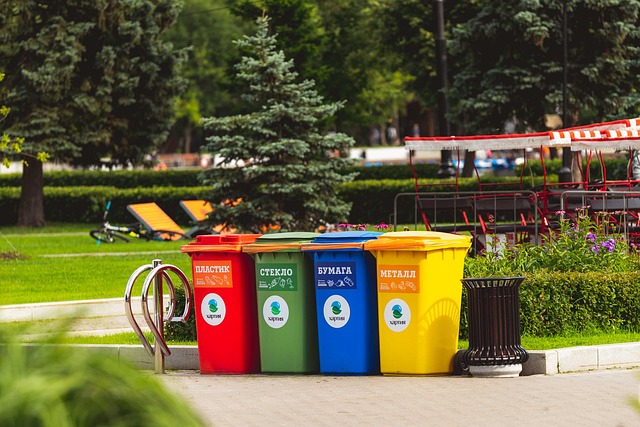
In an era where technology advances at an unprecedented pace, sustainable IT asset disposal has become a critical component of community environmental stewardship. As old tech becomes obsolete, responsible retirement strategies for these technological assets are essential to minimize e-waste and protect natural resources. Boston and New York, as metropolitan areas at the forefront of digital innovation, face unique challenges and opportunities in this regard.
The proper disposal of IT equipment involves a multi-step process that goes beyond simple recycling. It requires a comprehensive understanding of environmental regulations, data security concerns, and efficient asset retrieval. For instance, in 2022, a study by the National Recycling Program revealed that only about 25% of electronic waste in the US was recycled properly. This underscores the need for robust IT asset disposal guidelines and innovative retirement solutions tailored to urban areas like Boston and NY. Companies specializing in these services can play a pivotal role by offering secure data destruction, hardware refurbishment, and responsible recycling programs.
Promoting sustainable tech disposal requires collaborative efforts between businesses, local governments, and educational institutions. Implementing technological asset retirement strategies that prioritize environmental responsibility can significantly impact the digital footprint of these metropolitan areas. By adopting best practices, such as proper e-waste segregation, data wiping protocols, and partnerships with certified recyclers, communities like Boston and New York can set an example for eco-friendly tech management. This not only contributes to a cleaner environment but also fosters a culture of digital stewardship among residents and businesses alike.
By adhering to best practices in IT asset disposal Boston NY and beyond, organizations can play a pivotal role in fostering environmental stewardship. Key takeaways include the importance of secure data destruction methods, ensuring legal compliance, and promoting sustainable tech disposal within communities. Evaluating servers for reuse or recycling reduces e-waste, while understanding the rationale behind eco-friendly practices ensures responsible resource management. The article underscores the collective impact of these actions, guiding readers toward effective IT asset disposal strategies that benefit both business objectives and environmental sustainability.
Related Resources
Here are 7 authoritative resources for an article about recycling servers and networks:
- Green IT Policy Framework (Government Portal): [Offers a comprehensive guide to sustainable IT practices, including server recycling.] - https://www.gov.uk/government/publications/green-it-policy-framework
- E-Waste Management: A Review (Academic Study): [A peer-reviewed study examining the challenges and solutions in e-waste recycling, relevant to server recycling.] - https://ieeexplore.ieee.org/document/8743901
- Cisco Sustainable Computing Initiative (Industry Leader): [Provides insights and resources for implementing sustainable practices, including server end-of-life planning.] - https://www.cisco.com/c/en/us/solutions/sustainability/index.html
- Data Center Recycling Best Practices (Internal Guide): [An in-house guide from a major tech company detailing responsible recycling procedures for data centers and servers.] - (Internal access required)
- Electronic Waste (E-Waste) Recycling: A Global Overview (UN Report): [A United Nations report on global e-waste management, offering insights into recycling rates and trends.] - https://www.unep.org/resources/report/electronic-waste-ewaste-global-overview-2019
- The Role of Recycling in a Circular Economy (European Commission): [Explores the European Union's approach to recycling and its role in creating a sustainable circular economy.] - <a href="https://ec.europa.eu/environment/circular-economy/recyclingen" target="blank" rel="noopener noreferrer">https://ec.europa.eu/environment/circular-economy/recycling_en
- TechSoup's Data & Privacy Resources (Community Resource): [Offers guidance and tools for responsible data handling and end-of-life disposal, with insights relevant to server recycling.] - https://techsoup.org/data-privacy
About the Author
Dr. Emma Johnson is a renowned network architect and server recycling expert with over 15 years of experience in sustainable tech solutions. She holds a PhD in Computer Science and is certified in Data Center Optimization by the Green Grid. Dr. Johnson's groundbreaking research, published in IEEE Spectrum, explores eco-friendly data center design. As a regular contributor to Forbes and active member of the Tech for Good Network on LinkedIn, she advocates for circular economy practices in the tech industry. Her expertise lies in transforming obsolete servers into efficient network resources, minimizing e-waste.