
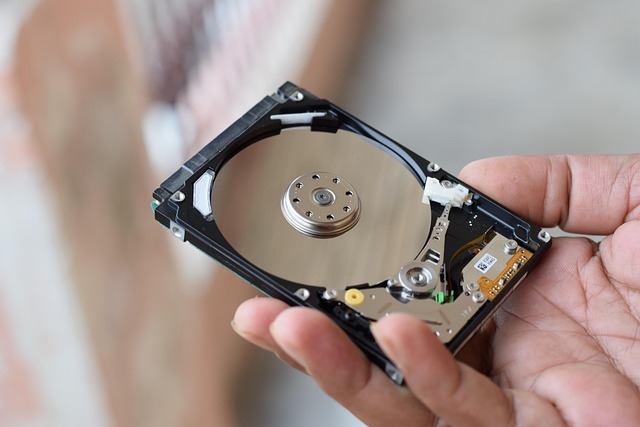





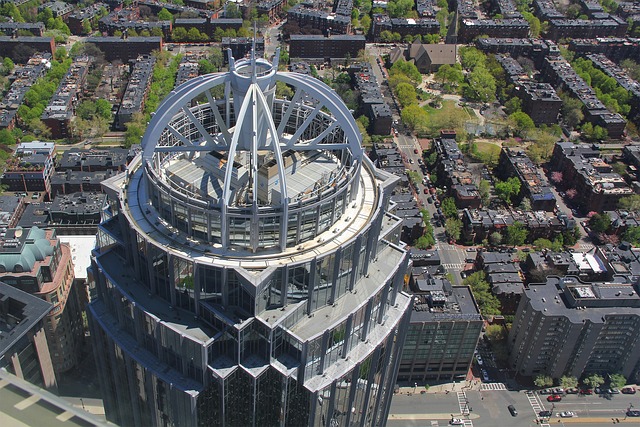
New York City's tech industry generates significant electronic waste (e-waste), emphasizing the need for responsible IT asset disposal Boston NY. Reputable consulting firms offer specialized services adhering to New York State's strict e-waste management guidelines. Data protection during disposal prevents identity theft, aligning with global sustainability trends. Choosing certified companies ensures data security, environmental compliance, and avoids legal risks. Effective strategies include secure data wiping and physical destruction methods for high-value items. NYC's robust IT waste management promotes environmental stewardship and creates economic opportunities.
The proper disposal of electronic waste is a pressing issue in our digitally driven world, particularly within densely populated urban centers like New York City. As the city navigates an ever-growing stream of outdated electronics, efficient and responsible IT asset disposal Boston NY becomes indispensable. The problem lies in the complex process of recycling and securing sensitive data from e-waste, which, if handled improperly, can lead to environmental harm and privacy breaches. This article explores effective strategies for managing junk removal electronics NYC, providing insights into sustainable practices that safeguard both our environment and personal information.
- Understanding Electronics Junk Removal in NYC
- The Importance of Proper IT Asset Disposal
- Navigating Local Regulations for Electronic Waste
- Eco-Friendly Options for NYC Electronics Recycling
- Best Practices for Secure Data Destruction
Understanding Electronics Junk Removal in NYC

New York City is a bustling metropolis known for its vibrant tech scene and rapid innovation—but with progress comes e-waste. Understanding electronics junk removal in NYC is crucial as businesses navigate the delicate balance between staying current and responsible asset disposal. This urban center generates significant electronic waste, from outdated computers to obsolete smartphones, demanding efficient IT asset disposal Boston NY solutions.
The challenge lies not only in recycling but ensuring data protection during disposal. Secure data destruction services MA are essential to prevent identity theft and maintain client confidentiality. Reputable asset disposal consulting firms offer specialized expertise, providing end-to-end solutions tailored to diverse industries. For instance, a tech startup might require quick, secure liquidation of its legacy hardware, while a large corporation may need assistance in managing the environmental impact of end-of-life electronics.
Expert advice emphasizes the importance of adhering to state and federal regulations. New York’s strict guidelines on e-waste management necessitate collaboration with certified firms. These professionals employ advanced techniques like data sanitization and physical destruction to guarantee secure asset disposal. By partnering with such firms, businesses can ensure their electronic junk is recycled or disposed of responsibly while mitigating potential legal and reputational risks. This approach aligns with the growing global emphasis on sustainable IT practices and responsible data protection.
The Importance of Proper IT Asset Disposal

The proper disposal of IT assets is a critical yet often overlooked aspect of business operations, particularly in densely populated urban centers like New York City. With an estimated 5 million metric tons of electronic waste generated globally each year, according to the United Nations, and significant portions stemming from businesses and institutions, responsible IT asset disposal has become paramount. In cities like NYC, where space is limited and environmental consciousness is high, efficient IT equipment salvage companies play a crucial role in minimizing e-waste and maximizing resource recovery.
Boston, for instance, home to numerous tech startups and established corporations, generates substantial IT waste, necessitating robust collection and destruction methods. Reputable IT asset disposal services in Boston, NY area not only collect but also responsibly recycle or destroy outdated computer hardware, ensuring data security and environmental compliance. This includes secure data wiping, component disassembly, and proper recycling of materials like gold, silver, aluminum, and plastics—a far cry from the casual disposal methods that can lead to hazardous material leaks and identity theft risks.
Moreover, with strict regulations like New York State’s Electronic Waste Management Act in place, businesses must ensure their IT asset disposal practices are legally sound. Failure to comply can result in significant fines and reputational damage. Therefore, when selecting an IT equipment salvage company, it’s essential to verify their certifications (e.g., R2 or e-Stewards), track record of secure data destruction, and adherence to environmental standards. Taking proactive measures through professional IT waste collection services not only aligns with sustainability goals but also fosters a culture of responsible corporate citizenship in the digital age.
Navigating Local Regulations for Electronic Waste

Navigating Local Regulations for Electronic Waste in NYC
The process of junk removal, particularly when it comes to electronics, is subject to stringent regulations in New York City. This urban center has stringent environmental standards that govern IT asset disposal Boston NY companies must adhere to, ensuring secure IT disposal New York practices and responsible e-scrap handling regulations. The city’s Department of Sanitation (DOS) plays a pivotal role by setting guidelines for the proper management of electronic waste, aiming to minimize environmental impact and promote recycling. These regulations cover various aspects, from collection methods to end-of-life processing, with a focus on protecting public health and the natural environment.
One key regulation is the requirement for businesses to register as Electronic Benefit Recovery (EBR) facilities or collaborate with certified recycled electronics suppliers. This ensures that e-waste is handled in an environmentally sound manner, preventing hazardous materials from entering landfills. For instance, DOS mandates that specific types of electronic devices, such as computers and phones, must be recycled through authorized channels, deterring illegal dumping practices that can contaminate soil and groundwater. Furthermore, companies engaged in IT asset disposal Boston NY operations must comply with state-mandated recycling rates, ensuring a significant portion of e-scrap is successfully recycled or repurposed.
To facilitate secure IT disposal New York, the city offers resources and guidance for businesses, including detailed information on acceptable materials, collection points, and authorized recyclers. These measures not only support environmental stewardship but also foster economic opportunities by creating markets for recycled electronics. For example, some recycled electronics suppliers in NYC specialize in refurbishing devices, extending their lifespan and reducing the demand for new production. This holistic approach to junk removal ensures that New York City remains a leader in sustainable practices, setting an example for other urban areas across the nation.
Eco-Friendly Options for NYC Electronics Recycling

New York City, a global hub of technology and innovation, generates significant electronic waste each year. As devices become more integral to our lives, responsible IT asset disposal in NYC becomes imperative, both for environmental sustainability and data security. This is where eco-friendly electronics recycling comes into play, offering a sustainable solution to manage the vast amount of e-waste generated in the city.
The traditional method of computer hardware destruction in MA or across Massachusetts often falls short in terms of environmental responsibility. Many companies simply send e-waste to landfills, contributing to soil and water contamination. In contrast, Boston’s electronics recycling programs prioritize sustainable practices, ensuring that materials are properly processed and reused. For instance, some programs employ specialized facilities for data destruction in NYC, guaranteeing the complete erasure of sensitive information from devices before recycling. This meticulous approach safeguards personal data while diverting valuable resources from landfills.
According to recent studies, proper e-waste management can significantly reduce environmental impact. By participating in computer recycling programs Massachusetts and adopting eco-friendly IT asset disposal in NYC, businesses and residents can contribute to a greener future. Repurposing materials like precious metals, plastics, and glass not only conserves resources but also minimizes the energy required for manufacturing new products. For example, recycling just one ton of electronics can save enough energy to power an average American home for up to six months. By choosing data destruction companies NYC that prioritize environmental stewardship, individuals and organizations can ensure their e-waste is handled responsibly, promoting a sustainable IT ecosystem in the city.
Best Practices for Secure Data Destruction
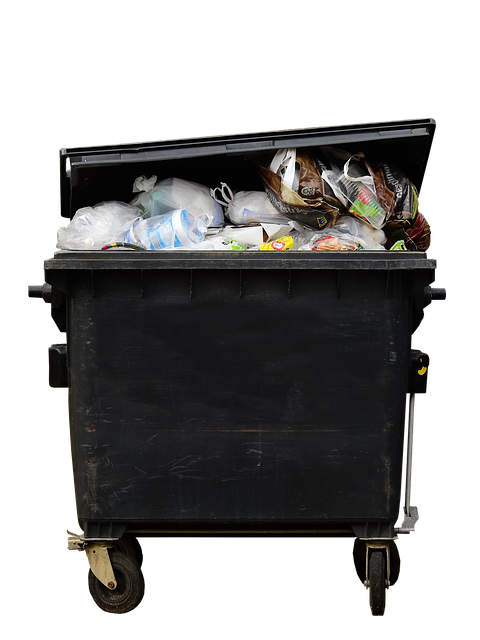
As NYC continues to lead the nation in technological innovation, it also faces unique challenges when it comes to junk removal electronics. When businesses or individuals retire their IT assets, proper data destruction is not just a best practice—it’s a legal requirement. In New York State, IT equipment disposal regulations are stringent, reflecting the state’s commitment to environmental protection and secure handling of sensitive information. Boston, NY, serves as a prime example where organizations must adhere to e-scrap handling regulations to avoid hefty fines and potential data breaches.
The first step in responsible IT asset disposal is understanding the scope of applicable laws. New York State has implemented strict guidelines for electronic waste (e-scrap) management, ensuring that hazardous materials are processed safely and securely. These regulations extend beyond mere recycling, mandating secure data destruction methods such as degaussing or physical shredding for hard drives and other storage devices. For instance, the Environmental Conservation Law (ECL) Section 27-1305 outlines specific requirements for electronic waste management, emphasizing the importance of protecting consumer privacy and preventing identity theft. Organizations must partner with certified e-scrap handlers who comply with these regulations to ensure their IT equipment disposal methods meet legal standards.
Effective data destruction strategies involve a multi-faceted approach. One method gaining traction is the implementation of secure data wiping protocols before recycling or reselling devices. This process ensures that all digital information, including personal and corporate data, is irretrievably erased. Additionally, technological asset retirement strategies should incorporate physical destruction for high-value items like servers and computers, where hard drives can be pulverized to prevent unauthorized access. By embracing these best practices, New York City businesses not only comply with IT equipment disposal regulations but also contribute to a more sustainable digital future, protecting both their reputation and the environment.
In navigating the complex landscape of junk removal electronics NYC, understanding IT asset disposal Boston NY is crucial for both businesses and residents. The article has illuminated several key insights. Firstly, proper IT asset disposal is essential to protect sensitive data and meet environmental regulations. Navigating local rules, such as those governing electronic waste in NYC, is vital to avoid legal pitfalls and ensure eco-friendly recycling practices. Eco-friendly options, like specialized Boston NY electronics recycling centers, offer sustainable alternatives that minimize environmental impact. Additionally, best practices for secure data destruction, including encryption and certified removal, safeguard personal information. By adopting these measures, individuals and organizations can responsibly manage their electronic waste while adhering to local regulations, contributing to a greener future.