
Rapid tech growth in Boston and New York City presents challenges and opportunities for sustainable IT asset disposal (IT asset disposal Boston NY). Both cities face unique e-waste issues but offer solutions like robust data sanitization and recycling centers. Collaboration between businesses and municipalities is key to developing comprehensive strategies, including public awareness, incentives for responsible recycling, and secure data sanitization protocols. Best practices include data destruction, hardware deconstruction, and responsible recycling, offering cost savings and environmental benefits. Compliance with state laws mandates strict e-waste management, including secure data sanitization. Local initiatives in Boston and New York promote eco-friendly IT disposal methods, upcycling end-of-life assets for a greener tech future.
With the rapid pace of technological advancement, IT asset disposal has emerged as a critical challenge for businesses worldwide, particularly in urban centers like Boston and New York. The improper management of electronic waste, or e-waste, poses significant environmental and health risks. This article delves into the intricacies of tech waste management consultation, offering a comprehensive solution to navigate the complexities of IT asset disposal. By exploring best practices, regulatory compliance, and innovative recycling strategies, we provide insights that can transform how organizations handle their end-of-life electronics, naturally contributing to a greener future in Boston, NY, and beyond.
- Understanding Tech Waste in Boston & NY: Challenges & Opportunities
- Best Practices for IT Asset Disposal in a Circular Economy
- Regulatory Compliance: Navigating E-Waste Laws in Massachusetts & New York
- Sustainable Solutions: Recycling & Upcycling IT Assets Locally
Understanding Tech Waste in Boston & NY: Challenges & Opportunities

The rapid pace of technological advancement presents both challenges and opportunities for effective tech waste management, particularly in densely populated urban centers like Boston and New York City (NYC). These metropolitan areas, known for their vibrant tech scenes, generate significant volumes of electronic waste or e-scrap, comprising outdated computers, servers, smartphones, and other digital devices. Understanding the unique landscape of IT asset disposal Boston NY is crucial for developing sustainable practices that address environmental concerns while safeguarding sensitive data security.
Boston and NYC face distinct challenges in managing tech waste. In Boston, a thriving hub for startups and established tech giants, rapid innovation results in frequent hardware upgrades, leading to a high turnover of electronic assets. Meanwhile, NYC's diverse technological base, ranging from fintech to media companies, contributes to a complex mix of e-scrap types. Effective IT asset disposal Boston NY requires robust infrastructure for safe data sanitization methods, as unauthorized access to erased data remains a significant risk. For instance, a 2021 study by the US Environmental Protection Agency (EPA) revealed that only 25% of electronic waste in NYC was properly recycled, highlighting the need for improved disposal protocols.
Despite these challenges, both cities offer ample opportunities for enhancing tech waste management. The availability of numerous e-scrap recycling centers in NYC, such as the renowned eCycle Solutions and Greentec, demonstrates a robust ecosystem for responsible IT asset disposal. Similarly, Boston's growing focus on green initiatives provides a window of opportunity to integrate sustainable practices into tech waste management. Implementing data security protocols like secure data wiping and verified destruction ensures that sensitive information remains protected during IT asset disposal. For example, major tech companies like Google and Microsoft have adopted robust safe data sanitization methods, setting industry standards for responsible e-scrap recycling centers NYC and beyond.
To capitalize on these opportunities, businesses and municipalities in Boston and NYC should collaborate to establish comprehensive tech waste management strategies. This includes promoting public awareness campaigns on proper IT asset disposal, incentivizing electronics recycling through tax benefits or community programs, and mandating secure data sanitization practices for all e-scrap handling facilities. By embracing best practices and leveraging existing resources, these cities can lead by example in transforming tech waste from a liability into an opportunity to foster a sustainable digital future.
Best Practices for IT Asset Disposal in a Circular Economy

In the realm of tech waste management, particularly within bustling urban centers like Boston and New York City, responsible IT asset disposal has evolved from a compliance necessity to an integral part of the circular economy. As e-waste continues to mount, both cities have established robust e-scrap handling regulations, reflecting a growing awareness of environmental stewardship and economic opportunities. For instance, Massachusetts, home to Boston, has implemented stringent guidelines for electronics recycling, setting benchmarks for proper IT asset disposal across the nation.
Boston and New York City, with their thriving tech sectors, have also seen the rise of specialized e-waste management specialists. These experts facilitate seamless transitions from end-of-life technology to new uses, ensuring that valuable materials are recovered and reused. For instance, NYC's e-scrap recycling centers process millions of pounds of electronics annually, diverting hazardous waste from landfills and contributing to a more sustainable urban environment. Similarly, Boston's tech companies have partnered with specialized recyclers to implement comprehensive IT asset disposal programs, fostering a circular economy where electronic byproducts become raw materials for new products.
Proper IT asset disposal involves several best practices, including data destruction, hardware deconstruction, and responsible recycling. Data security is paramount; sensitive information must be securely erased before any device is recycled. Physical deconstruction ensures that valuable components are salvaged, maximizing the economic value of e-scrap. In addition to environmental benefits, these practices offer significant cost savings for businesses, as they can offset the expense of IT asset disposal by recovering resellable parts or materials. By adopting these strategies and collaborating with local e-scrap handling specialists in Boston and New York City, organizations can contribute to a more sustainable future while mitigating potential legal issues related to e-waste management regulations.
Regulatory Compliance: Navigating E-Waste Laws in Massachusetts & New York

In today's digital age, responsible IT asset disposal Boston NY is more than just a best practice—it's a regulatory imperative. Massachusetts and New York state e-waste laws demand meticulous compliance to protect both the environment and sensitive data. As technology advances, so does the complexity of proper computer hardware destruction MA and safe data sanitization methods. Organizations must navigate these regulations to avoid hefty fines and maintain their reputation for responsible corporate citizenship.
Regulatory bodies in both states have implemented stringent guidelines to manage electronic waste (e-waste) effectively. For instance, New York State's Electronic Waste Recycling Act requires businesses to dispose of e-waste through certified facilities. Similarly, Massachusetts' Comprehensive Environmental Response, Compensation, and Liability Act (CERCLA) underscores the importance of proper data destruction methods to prevent identity theft and privacy breaches. Compliance involves more than just recycling; it entails ensuring that all data is permanently erased from hardware, including solid-state drives and hard disk drives.
Expert advice recommends implementing a structured IT asset disposal program that includes thorough testing, data sanitization, and partnership with reputable e-waste management companies. For instance, organizations can adopt secure data destruction protocols such as degaussing or shredding to meet the stringent requirements of NY state e-waste laws. By prioritizing computer hardware destruction MA and safe data sanitization methods, businesses not only comply with regulations but also demonstrate their commitment to environmental stewardship and data security. This proactive approach positions companies as responsible leaders in their industries while safeguarding sensitive information.
Sustainable Solutions: Recycling & Upcycling IT Assets Locally
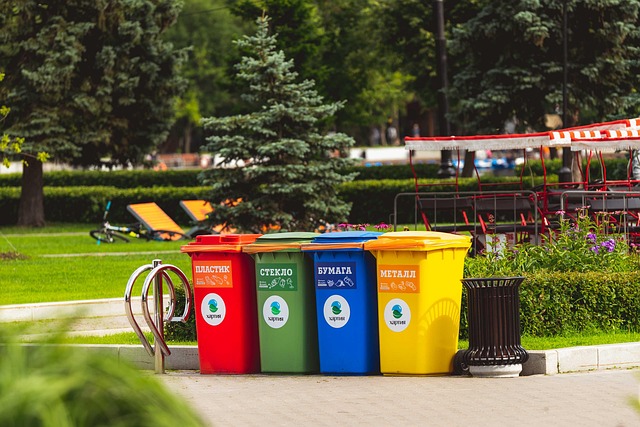
The sustainable management of tech waste is a growing concern globally, with a significant focus on local solutions for IT asset disposal. In cities like Boston and New York (NY), where technology hubs thrive, responsible e-waste management is essential to mitigate environmental impact. One effective strategy is adopting recycling and upcycling practices for IT equipment, ensuring these valuable resources don't end up in landfills.
Boston and NY have implemented various initiatives to promote eco-friendly IT asset disposal. For instance, many tech companies in Boston partner with local recycling centers to facilitate the proper recycling of electronic waste. These facilities employ specialized processes to recover materials like precious metals, plastics, and glass from old IT equipment, which can then be repurposed or sold on the global market. Similarly, NY has established numerous e-waste drop-off locations across the city, allowing residents and businesses to responsibly dispose of their obsolete IT assets. By participating in these programs, organizations can comply with stringent IT equipment disposal regulations in NY while contributing to a circular economy.
Upcycling is another promising approach gaining traction in the industry. Instead of recycling, some innovative companies transform end-of-life IT assets into new products. For example, old computers can be refurbished and sold as budget-friendly laptops for developing regions or converted into smart home devices. This not only extends the lifespan of these resources but also creates economic opportunities. As consumers and businesses become more environmentally conscious, demand for sustainable IT asset disposal methods is increasing. Therefore, local initiatives in Boston and NY are pivotal in shaping a greener future for the tech industry.
The comprehensive exploration of IT asset disposal in Boston and New York has unveiled a roadmap for responsible tech waste management. Key insights highlight the urgent need to address the growing e-waste issue, particularly in densely populated urban centers like Boston and NY. Understanding the unique challenges these cities face—from complex regulatory landscapes to high volumes of electronic waste—is essential for effective strategies. Best practices emphasize the circular economy approach, focusing on responsible IT asset disposal through recycling and upcycling locally. Regulatory compliance is a critical aspect, as Massachusetts and New York's e-waste laws mandate proper handling and recycling. By adhering to these regulations, businesses can ensure environmental stewardship and avoid legal pitfalls. The article equips readers with actionable steps: prioritize local recycling networks, engage in responsible IT asset disposal practices, and stay informed about evolving laws. Embracing these strategies will contribute to a more sustainable future, minimizing the environmental impact of tech waste in Boston, NY, and beyond.