
IT asset disposal Boston NY is crucial for businesses to meet New York State's e-waste laws and reduce environmental impact. Data destruction companies offer secure methods, while recycling programs promote sustainable hardware recovery. Nationally, only 20% of electronic waste is recycled annually; local initiatives aim to close this gap. Specialized IT equipment salvage firms disassemble devices, extract resources, and adhere to regulations. Sustainable IT asset retirement strategies mitigate risks, support a circular economy, and contribute to a greener future. Engaging with reputable providers ensures responsible e-waste handling in Boston NY.
In an era where technology advances at a rapid pace, the responsible disposal of IT assets has become a pressing concern. As organizations and individuals alike upgrade their hardware, the proper recycling of computer parts is no longer just an environmental imperative—it's a strategic necessity. The challenge lies in navigating the complex landscape of IT asset disposal, especially in densely populated areas like Boston or New York. This article offers a comprehensive guide to convenient, efficient, and eco-friendly recycling methods, equipping readers with the knowledge to make informed decisions regarding their electronic waste, whether in urban centers or beyond.
- Understanding IT Asset Disposal Boston NY
- E-Waste Recycling: Step-by-Step Guide
- Benefits of Responsible Computer Part Recycling
- Navigating Local Regulations for Electronic Waste
Understanding IT Asset Disposal Boston NY

Navigating IT asset disposal Boston NY is a crucial step for businesses looking to dispose of or recycle their electronic equipment responsibly. With an ever-growing reliance on technology, proper e-waste management has become more critical than ever. New York State, in particular, has implemented stringent e-waste laws that require organizations to handle IT junk recycling programs effectively. According to recent statistics, over 250,000 tons of electronic waste are generated annually in NYC alone, underscoring the importance of compliance with state regulations.
Data destruction companies NYC play a pivotal role in ensuring secure and compliant IT asset disposal. These professionals employ advanced techniques like data wiping, degaussing, and physical destruction to ensure no sensitive information remains on hardware components. For instance, many reputable companies offer certified data destruction services, providing peace of mind that confidential business data is irretrievably eliminated during the recycling process. This is particularly vital for industries dealing with high-value intellectual property or personal customer information.
When considering IT asset disposal Boston NY options, businesses should look beyond mere recycling and focus on comprehensive solutions. Partnering with specialized firms can facilitate a seamless transition, ensuring adherence to NY state e-waste laws while maximizing the potential for hardware recovery and resource reuse. By adopting these practices, organizations not only contribute to a cleaner environment but also play a part in fostering a more sustainable digital future.
E-Waste Recycling: Step-by-Step Guide

E-waste recycling is a crucial step towards sustainable IT asset disposal Boston NY and beyond. With an estimated 50 million tons of electronic waste generated globally each year, proper management of IT junk becomes imperative. Mass electronic device destruction (MEDD) isn't just about reducing landfill; it's also about recovering valuable materials and ensuring data security. In the US, for instance, only 20% of e-waste is recycled, leaving a significant portion to contribute to information technology garbage collection in landfills.
The process starts with individuals and businesses responsibly sourcing local recycling programs. Many cities offer IT asset disposal services that cater specifically to electronic waste. These programs often provide free or low-cost drop-off points for devices like computers, smartphones, and printers. For instance, Boston has several such initiatives, including partnerships with local tech companies to collect and recycle old equipment. Once collected, the e-waste goes through a meticulous process of separation, shredding, and extraction. This involves employing advanced technologies to disassemble hardware and extract precious metals, plastics, glass, and other reusable materials.
A step-by-step guide to effective e-waste recycling could include: identifying suitable local programs, preparing devices by erasing data and removing sensitive information, drop-off at collection points or using mail-in services, ensuring proper documentation for tracking purposes, and finally, supporting ongoing efforts to expand IT junk recycling programs in communities. By actively participating in these initiatives, we can collectively mitigate the environmental impact of electronic waste while fostering a circular economy that values resource recovery over landfilling.
Benefits of Responsible Computer Part Recycling
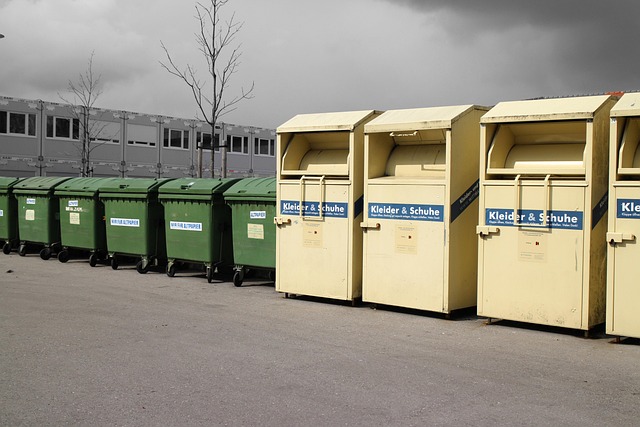
Responsible computer part recycling offers numerous benefits, both for businesses and the environment. In today's digital age, electronic waste or e-scrap is a growing concern worldwide. Proper IT asset disposal, such as that offered in Boston and New York, is essential to mitigate this issue. According to the EPA, e-scrap is one of the fastest-growing types of waste, with an estimated 70% of electronic devices ending up in landfills each year. This raises significant environmental concerns due to the toxic materials contained within, including lead, mercury, and cadmium.
Effective computer part recycling involves adhering to stringent e-scrap handling regulations to ensure safe disposal and recovery of valuable materials. IT equipment salvage companies play a crucial role here by providing specialized services that cater to these regulations. They employ advanced technologies and methods to disassemble and process electronic devices, extracting metals, plastics, glass, and other reusable components. This not only reduces the environmental impact but also allows for the recovery of valuable resources, which can be repurposed in new products, thereby extending their lifespan.
Moreover, sustainable IT asset retirement strategies offer businesses a chance to contribute to a greener future while mitigating potential legal and financial risks. By partnering with reputable IT equipment salvage companies, organizations can ensure that their electronic waste is handled responsibly and in compliance with local regulations. For instance, many major tech companies now emphasize circular economy principles, aiming for a closed-loop supply chain where materials are continually reused and recycled. This approach not only reduces environmental footprint but also fosters innovation by creating new markets for recovered resources.
Navigating Local Regulations for Electronic Waste

Navigating local regulations for electronic waste is a critical step in responsible IT asset disposal, especially when considering options beyond traditional recycling methods. In regions like Boston and New York, strict guidelines govern the management of electronic waste (e-waste), ensuring proper handling and environmental protection. For instance, Massachusetts (MA) offers comprehensive electronic waste management services, with regulations dictating how computer hardware destruction should be conducted to prevent hazardous material release. Similarly, New York has specific IT equipment disposal regulations, emphasizing the secure treatment of data and components.
Businesses and individuals in these areas must familiarize themselves with local laws to avoid legal repercussions and ensure their e-waste is disposed of ethically. For instance, electronic waste management services in MA typically involve categorizing and sorting materials, with specialized facilities handling dangerous components like batteries and CRTs (cathode ray tubes) separately to prevent environmental contamination. In New York, IT equipment disposal regulations often mandate data destruction or degaussing, ensuring no sensitive information remains on hardware.
Proper adherence to these regulations not only benefits the environment but also safeguards consumer privacy. Professional electronic waste management services in Boston and New York are designed to meet or exceed these standards, employing advanced technologies for computer hardware destruction and secure data erasure. By engaging with reputable providers offering IT asset disposal Boston NY services, businesses can ensure their e-waste is handled responsibly while potentially gaining the added benefit of resource recovery and potential cost savings.
By understanding IT asset disposal Boston NY regulations and following best practices in e-waste recycling, businesses can conveniently and responsibly manage their end-of-life computer parts. The process involves a step-by-step guide to proper disposal, including data security, component dismantling, and partnership with certified recyclers. Key benefits include environmental preservation, resource conservation, and compliance with local laws. Navigating these regulations is crucial for minimizing e-waste's impact on communities and ecosystems, ensuring a sustainable future in the digital age.